Transform Your Landscape: Advantages of Professional Tree Cutting Services
Transforming a landscape can be a complex task. Hiring expert tree cutting services simplifies this process. These professionals bring specialized knowledge and skills, ensuring safe and effective tree removal. This improvement not only boosts curb appeal but also safeguards property value. However, many homeowners overlook essential aspects of tree care. Recognizing the advantages and possible drawbacks can result in more informed decisions. What key aspects should homeowners examine before contracting these specialists?
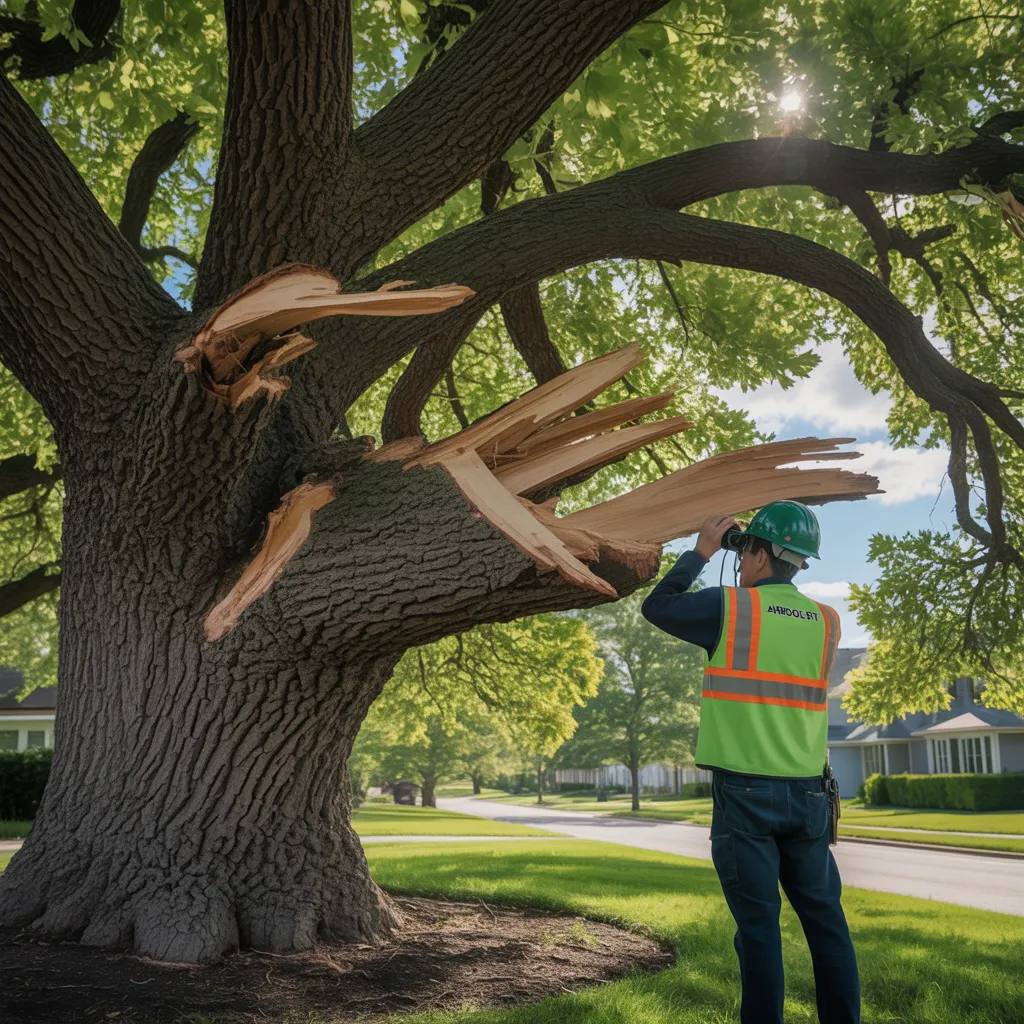
Top Reasons to Hire Professional Tree Cutting Services
When considering tree maintenance, most homeowners understand the substantial advantages of enlisting professional tree trimming services. These experts carry specialized knowledge about tree types, growing patterns, and proper cutting techniques, ensuring that trees are pruned or removed correctly. This knowledge minimizes the risk of damage to surrounding structures and landscapes, fostering a healthier environment.
In addition, skilled arborists are provided with the appropriate tools and safety equipment, which are usually high-cost and require professional training to utilize. This not only enhances efficiency but also reduces the likelihood of accidents or injuries during the process. Furthermore, engaging professional services can conserve time and energy for property owners, permitting them to direct their attention toward other critical matters.
Additionally, professional tree services can offer helpful evaluations of tree condition, advising homeowners on essential maintenance and care. This preventative method supports the long-term beauty and durability of the yard.
How Tree Cutting Services Enhance Safety
Expert tree cutting services significantly improve safety for homeowners and their properties. Overgrown or damaged trees pose significant hazards, including the risk of falling limbs during storms or high winds. Such services examine tree condition and structural soundness, detecting potential dangers before they progress into hazardous situations.
Trained professionals use advanced tools to expertly extract trees and limbs, minimizing the chances of events that could result in personal injury or structural damage. Additionally, they adhere to established safety measures that protect both workers and surrounding environments.
The Way Tree Health Influences Property Value
The condition of trees heavily affects property value, mainly due to their visual appeal and structural soundness. Properly cared-for trees improve the visual appeal of a property, drawing in prospective buyers and improving market appeal. In contrast, poorly maintained trees may present safety concerns and reduce curb appeal, ultimately lowering property values.
Tree Beauty and Appeal
Healthy trees greatly enhance the aesthetics and appeal of a property, affecting its market standing. Properly cared-for trees create a lush, inviting landscape, drawing in prospective homeowners and boosting street presence. The presence of flourishing, well-kept foliage can cultivate an atmosphere of calm and relaxation, making properties highly appealing. Additionally, mature trees offer shade and privacy, improving exterior areas and promoting community gatherings. When trees are pruned and shaped by experts, they exhibit a polished appearance that elevates the entire landscape. Conversely, poorly maintained or diseased trees may diminish a property's attractiveness, perhaps diminishing its resale potential. Therefore, utilizing skilled tree care services confirms that trees continue to be a benefit rather than a burden.
Structural Stability and Security
Although properly cared-for trees can boost a property's appeal, their structural integrity is also essential for both safety and property value. Damaged or deteriorating trees create substantial dangers, including potential property damage and injury. Once branches lose stability or roots begin to fail, the chance of limb failure grows, jeopardizing both people and structures nearby. Homeowners need to be aware that compromised trees can diminish property worth, as potential buyers commonly shy away from undisclosed hazards. Regular assessments by tree care professionals can identify potential issues early, making start here certain that trees add value to the surrounding environment. By prioritizing tree health and safety, landowners not only preserve their financial interests but also create an inviting atmosphere that appeals to future buyers and elevates overall property desirability.
Important Facts to Know Before Hiring Tree Care Experts?
How do homeowners ensure they are hiring the most qualified tree care specialists? First, they should research potential companies thoroughly. Checking online reviews and testimonials can provide insight into the quality of service offered. Additionally, confirming credentials including insurance coverage and proper licensing is absolutely necessary; reliable tree care specialists are expected to maintain comprehensive insurance coverage to guard against any potential accidents.
Homeowners should also request thorough estimates that specify the scope of work, ensuring there are no hidden costs. It is advantageous to inquire about the methods and tools the company employs, as modern practices can enhance safety and efficiency. Additionally, a trustworthy tree care specialist will arrange a consultation to discuss specific needs and provide tailored recommendations.
Ultimately, property owners should follow their intuition during the selection process. Transparent dialogue and a professional attitude can indicate a firm's devotion to high-quality work. By implementing these measures, homeowners can reach well-considered choices when hiring tree care experts.
5 Common Tree Care Mistakes Homeowners Make
Many homeowners often make critical errors in tree care that can lead to long-term damage. One typical error involves improper pruning, which can weaken a tree's structure and promote disease. Furthermore, failing to mulch can cause soil erosion and moisture loss, damaging root systems. Overwatering represents another prevalent mistake, since it can choke roots and encourage fungal diseases. Homeowners might also overlook signs of pest infestations, enabling infestations to grow and damage tree health. Finally, not considering a tree's mature size when planting can result in overcrowding, limiting growth and increasing competition for nutrients. Correcting these errors is crucial for preserving a thriving landscape and guaranteeing the long-term health of trees. By recognizing these common errors, homeowners can improve their tree care routines and support a healthier environment.
Finding the Ideal Tree Cutting Service for You
Picking the best tree trimming service can considerably affect the overall condition and appearance of a property. Property owners should look for companies with certified arborists who demonstrate the essential expertise in tree health and safe cutting practices. Researching digital reviews and feedback can provide insight into a service's reliability and quality. Moreover, collecting multiple quotes helps homeowners to assess costs and service options, guaranteeing they find a provider that suits their financial requirements without sacrificing quality.
It is also essential to ensure that the preferred service is fully insured and licensed, protecting the homeowner from potential liabilities. Questions regarding the tools and approaches utilized can further indicate a service's professionalism and commitment to safety. Lastly, a trusted tree removal company will offer a thorough assessment of the trees, offering guidance on upkeep and long-term care to preserve the landscape's integrity. At the end of the day, thoughtful decision-making ensures homeowners find a service suited to their particular needs.
Frequently Asked Questions
How Much Do Professional Tree Cutting Services Typically Cost?
The typical cost of professional tree cutting services is between $200 and $2,000, depending on factors such as the tree's size, placement, and the overall scope of the project. Extra charges may be assessed for stump extraction and other professional add-on services.
What Time of Year Is Best for Tree Cutting?
The ideal time for cutting trees typically falls in late winter to early spring, prior to the onset of new growth. This approach helps minimize tree stress and decreases the chance of disease transmission.
Are There Specific Permits Required for Tree Cutting?
Certainly, dedicated permits are commonly needed for cutting down trees, depending on local regulations. Homeowners should verify with municipal authorities to verify compliance and prevent possible fines or legal complications related to unlicensed tree removal.
What Are the Signs That a Tree Needs to Be Cut
A tree may need cutting when it displays symptoms of disease, dead branches, or significant leaning. Additionally, if it poses a safety risk to structures or people, seeking expert evaluation is recommended for accurate assessment.
What Equipment Do Tree Cutting Professionals Use?
Arborists and tree removal experts commonly rely on chainsaws, pruning saws, axes, and chippers. Safety gear, including helmets, gloves, and harnesses, is essential. Furthermore, stump grinders and trucks are often used to facilitate effective debris removal and site cleanup.